
About the
Next Generation Siblings Project
Understanding Autism in the Next Generation
Building on 20+ years of autism research, the NGS Project explores early development in children with a second-degree relative on the autism spectrum.
What is the Next Generation Siblings project?
Over the past two decades, research, including that of the Baby Siblings Research Consortium or BSRC, has helped identify early signs of autism in babies and toddlers who have an older sibling on the spectrum. This has led to discoveries which allow families to access earlier diagnoses and access to support services. Those siblings have grown up and are now having babies of their own, with their own perspectives and expectations. In order to better understand neurodevelopment in nieces and nephews of those with an autism diagnosis, scientists are expanding this work to look at the next generation. Babies whose parent has a biological sibling with autism have a higher likelihood of being diagnosed with autism themselves, but they rarely have access to specialized developmental monitoring.

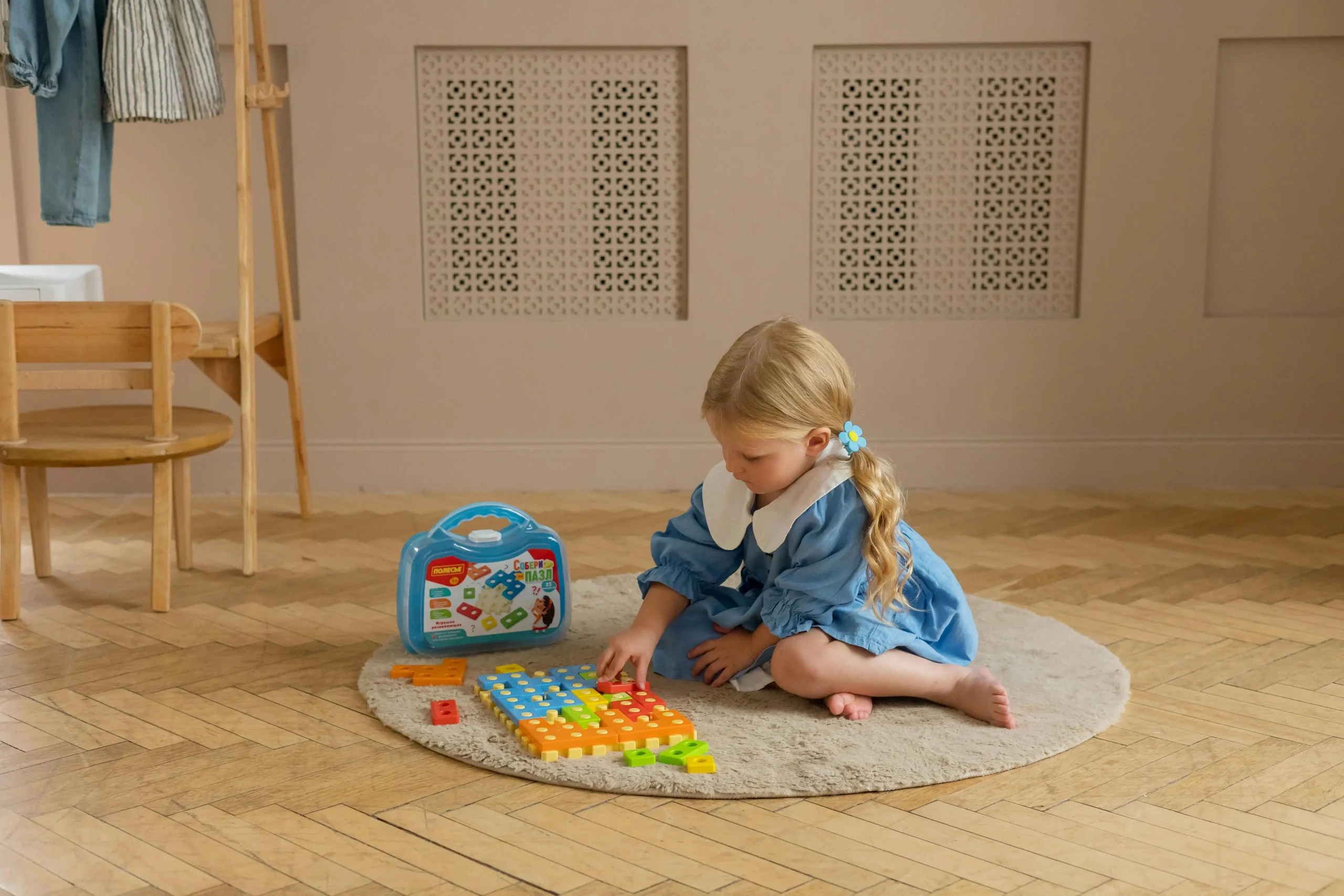
The Next Gen Sibs Project is a collaborative research effort that follows these infants closely from birth through toddlerhood. Researchers assess developmental milestones at six month intervals using behavioral assessments and innovative tools to track things like visual social attention. This is done free of charge to the family and without long waitlists.
The Next Gen Sibs Project is supported by the Autism Science Foundation in partnership with the study sites that work with the families. Additional funding is provided by ARIA and the Hilibrand Foundation.
Project Overview
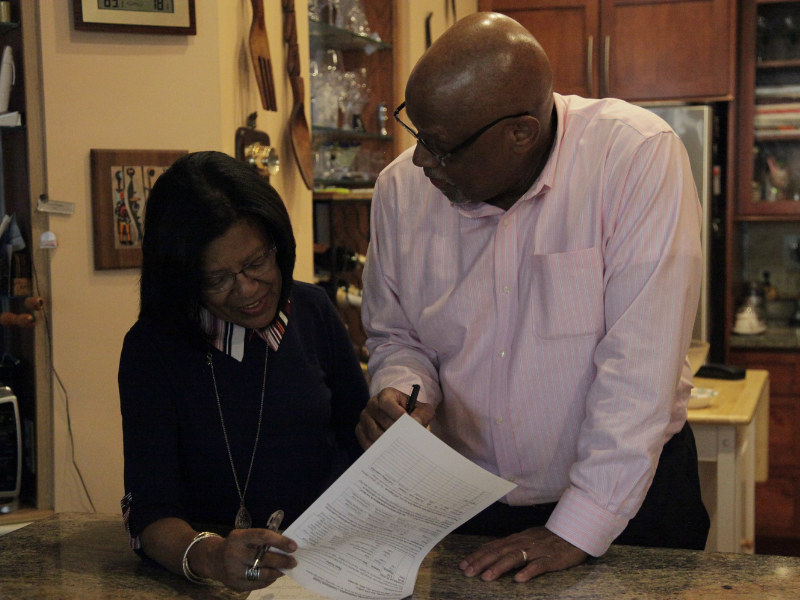
Participants in the Next Gen Sibs Project undergo assessments at six-month intervals. These evaluations include questionnaires and interviews about the child’s development, sensory experiences, and behaviors. Behavioral assessments of the child will also be completed through standardized play activities to evaluate general development including social, cognitive, and motor skills. Some measures will be repeated at multiple visits to monitor progress and change. The study is conducted across multiple research sites in the United States, Canada, and the United Kingdom, offering both in-person visits and telehealth options for participating families.
What’s Involved in the Project
The First Visit
The project clinicians will talk to you about your family, and discuss what participation in the study would entail.
At 6 months:
- Questionnaires, interviews, and behavioral assessments
- Visual attention measured through eye tracking while the child watches a video (non-invasive and ~15 minutes duration)
At 12 months:
- Questionnaires, interviews, and behavioral assessments
- Families asked their perspectives of the study
- Visual attention measured through eye tracking
At 18 months:
- Questionnaires, interviews, and behavioral assessments
- First autism-specific measures
- Formal autism evaluation (if needed)
- Structured measure of development
At 24 months:
- Questionnaires, interviews, and behavioral assessments
- Social communication and temperament measures
- Autism-specific measures
- Formal autism evaluation (if needed)
- Structured measure of development
How Can It Help My Family?
Access
You will receive expert evaluations from clinicians who will monitor the development of your infant. There are no waiting lists, no costs, and no insurance forms to complete.
Documentation
Your family will receive assessment reports summarizing your child’s skills and behaviors to facilitate services, should you need them.
Support
You will receive a small honorarium for your participation and information about relevant resources.
If you are interested in learning more, click here to tell us about yourself.
Ready to Get Started?
If you’re a parent with a sibling diagnosed with autism and your child is 12 months or younger, you may qualify.